
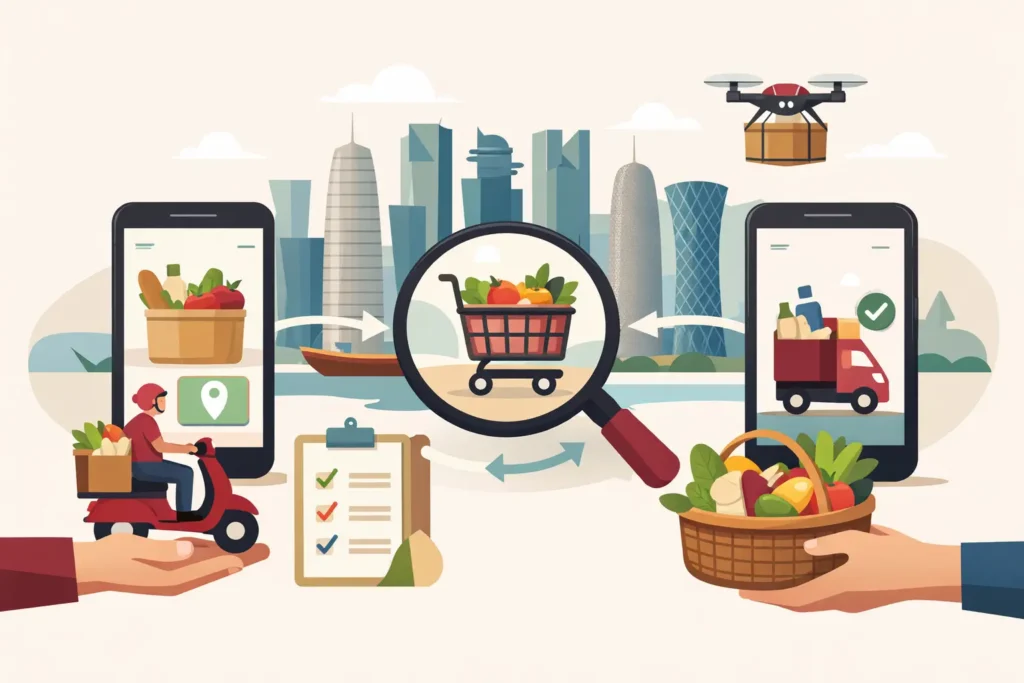
When two stores show the same chocolate spread, noodles, or milk powder, the real difference usually shows up at checkout. A useful Qatar grocery delivery comparison is not about who has the flashiest homepage. It is about total cost, stock reliability, product range, and how easy it is to get branded groceries delivered without delays or confusion.
For most shoppers, the best option is the one that keeps things simple. You want familiar products, clear pricing, easy ordering, and delivery terms that make sense. If you are buying household pantry items or sending branded snacks and confectionery to family, a good comparison saves money and cuts out guesswork.
What matters most in a Qatar grocery delivery comparison
Price gets attention first, but price alone is not enough. A store can look cheap on the product page and still become expensive after delivery fees, payment steps, or minimum-order conditions are added. That is why the smartest comparison starts with final order value, not just shelf price.
Stock consistency matters just as much. If a store regularly shows popular brands but marks them unavailable once you are ready to buy, that is a problem. For repeat household orders, availability is part of the value. A smaller but dependable catalog can be better than a large catalog with constant stock gaps.
Brand trust is another practical filter. Many shoppers are not browsing for random alternatives. They want recognizable packaged goods they already know, such as chocolates, instant foods, spreads, snacks, and pantry staples. When a store is strong on branded packaged products, shopping is faster and easier because there is less need to compare unfamiliar labels.
Then there is order convenience. If payment instructions are confusing or product details are too thin, the process slows down. A good grocery store online should make it easy to browse, confirm the item, and place the order with confidence.
Compare total value, not just product price
The biggest mistake in any Qatar grocery delivery comparison is stopping at the product price. What matters is what you actually pay after everything is added. Some stores win on individual item pricing but lose once delivery charges or service-related add-ons appear.
Shoppers who buy a few low-cost items need to watch fees closely. A small cart can become poor value if delivery charges are high. On the other hand, larger baskets often improve value, especially when a store offers free delivery above a certain order threshold. That kind of pricing model works well for family orders, pantry refills, and repeat purchases because you can bundle more items and reduce cost per product.
Discount visibility also matters. The best retail-focused stores make promotions easy to spot. You should be able to see sale pricing, compare regular price against deal price, and understand whether the offer is worth acting on now. If a store hides the discount structure, it becomes harder to judge real savings.
For value-conscious buyers, the right question is simple: does this order give me better overall savings once products, delivery, and convenience are all considered together?
Product range should match how people actually shop
A wide catalog sounds good, but a useful catalog is better. Most customers are not trying to buy every category under one roof. They usually want a dependable mix of branded groceries, snacks, confectionery, and pantry items they recognize and buy again.
That is why focused stores often perform better for practical shoppers. If the product mix includes popular chocolates, spreads, noodles, milk powder, biscuits, and everyday packaged foods, the experience feels faster and more relevant. You can fill the cart with less searching.
This matters even more for gift-style grocery orders and family sending. In those cases, buyers usually prioritize recognizable brands over experimental products. Familiar packaging helps reassure both the buyer and the recipient. It also reduces the chance of ordering something that will not be used.
A good store should also organize products in a way that supports fast buying. Bestseller sections, featured deals, and clear category pages are not just marketing tools. They help customers find proven products quickly and make better buying decisions without wasting time.
Delivery terms can change the whole decision
Fast delivery sounds attractive, but reliability is usually more important. Most shoppers will accept a reasonable delivery window if the order process is clear and the products arrive as expected. Problems start when delivery terms are vague or conditions are hidden.
In a strong comparison, check whether the store explains delivery coverage, timing expectations, and any free-delivery threshold in plain language. This is especially important for people placing larger household orders. Clear terms make it easier to decide whether to add one or two more items and qualify for better overall value.
There is also a trade-off between speed and basket planning. If you need one item urgently, a broader local service may look better. But if you are placing a planned order for branded pantry goods and snacks, a more deal-driven retailer can offer better savings. It depends on whether your priority is immediate fulfillment or stronger value on a fuller cart.
Payment simplicity matters more than people think
Many online grocery comparisons ignore payment, but customers notice friction immediately. A store can have the right brands and decent pricing, yet still lose the sale if payment feels complicated.
The strongest retail experiences keep this straightforward. Product selection should be clear, checkout should not create uncertainty, and payment instructions should be easy to follow. That matters for first-time buyers, family purchasers, and anyone ordering on behalf of someone else.
Simple payment flow also builds trust. When the buying process feels organized, shoppers are more willing to place larger orders and come back for repeat purchases. Convenience is not just about browsing. It is about completing the whole transaction without stress.
Who each type of grocery service fits best
Not every store is built for the same shopper, so a fair Qatar grocery delivery comparison should reflect that. Some services suit people who need a very broad supermarket-style selection. Others are better for shoppers focused on branded packaged goods and promotional pricing.
If you mostly buy fresh items and many categories at once, a large grocery platform may be the better fit. But if your priority is chocolates, snacks, pantry products, instant foods, and recognizable imported household brands, a focused store often gives better clarity and better shopping speed.
This is where deal-driven retail becomes useful. A store that highlights in-stock products, sale pricing, and bestsellers removes friction from the purchase. Instead of searching across too many low-priority items, you get straight to what shoppers actually buy most often.
For families and repeat buyers, consistency usually wins over novelty. If a retailer regularly carries the brands you trust and makes it easy to reorder, that matters more than having hundreds of extra items you never planned to buy.
How to make a smart choice quickly
If you are comparing stores, start with the products you know you want. Add them to the cart, check the total, and see whether the final amount still feels competitive. Then look at stock status, delivery threshold, and checkout ease. That quick test tells you more than browsing homepages for twenty minutes.
It also helps to think in basket size. Small carts need low-friction fees. Larger carts need strong bundled value. If your order includes branded chocolates, pantry staples, snacks, and spreads, a store built around promotional grocery retail may be the most efficient option.
For shoppers who care about trusted brands, visible deals, and simple fulfillment, that retail style is often the better buy. Sri Orders fits this approach by keeping the focus on packaged grocery items, recognizable names, and value-led shopping that is easy to complete.
The best choice is rarely the one with the biggest claims. It is the one that keeps popular items in stock, shows real savings clearly, and makes checkout feel easy from start to finish. When a store gets those basics right, grocery buying stops feeling like a search and starts feeling like a good deal.
